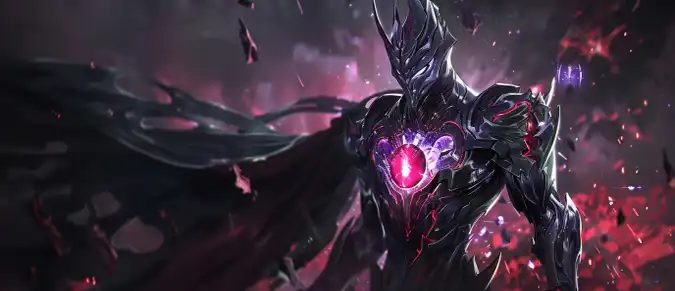

Aster is a blockchain-based game that combines strategic character development, open digital asset trading, and a dynamic in-game economy. Unlike traditional online games, players here truly own the items and characters they obtain or create, as all in-game entities exist in the form of NFTs. The world of Aster is not static — it evolves through player actions, resource exchange, participation in events, and market value formation via AsterDEX. This approach creates a complete Web3 ecosystem where progress is determined not only by gameplay skill but also by strategic management of owned assets.
Contents
- The Concept of Aster and the Structure of Its Game World
- NFT Characters and the Internal Ecosystem
- Gameplay and Core Mechanics
- Economic Model and the Role of AsterDEX
- Community, Support, and Future Development
- Conclusion
1. The Concept of Aster and the Structure of Its Game World
Aster forms its own digital metaverse consisting of territories, characters, and economic dynamics. The core idea of the project is to create a world where players are not just following predefined scenarios, but actively influencing market and gameplay shifts. Characters, equipment, and in-game items exist as NFTs, ensuring transparent ownership and the ability to trade freely.
Unlike traditional online games, where progress is ultimately tied to the developer's servers, Aster shifts ownership and control to the players. Their decisions, roster composition, trading strategies, and event participation affect their digital prosperity and may have real-world value. This makes the game not only an entertainment platform but also part of a broader Web3 ecosystem where ownership has real meaning.
The internal logic of the world encourages experimentation and strategic exploration. Every game asset has potential for upgrades and specialization, which supports consistent progression. Instead of following a linear path, players can choose their own approach — a combat-focused build, rare item trading, or building a curated NFT collection. This results in a gameplay experience shaped by decision-making rather than fixed patterns.
2. NFT Characters and the Internal Ecosystem
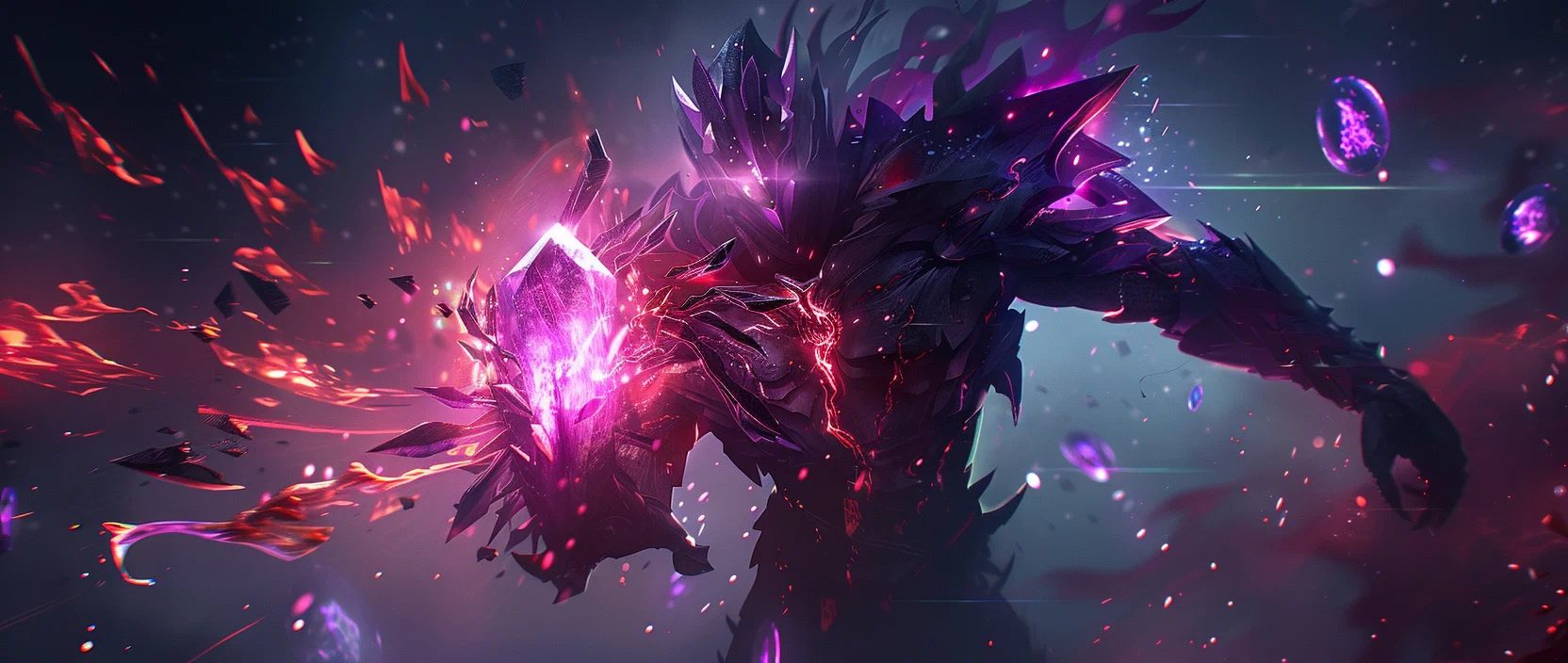
The Aster ecosystem is built upon interaction between characters, items, territories, and its marketplace infrastructure. Each element influences gameplay balance and resource flow. NFT characters possess unique digital identity, preventing duplication of rare or valuable assets. Their rarity and progression define their roles in various gameplay modes and competitions.
| Element | Role in Aster | Economic Value |
|---|---|---|
| Characters (NFT) | Main participants in battles and exploration activities | Shape the unique value of each player account |
| Equipment | Modifies abilities and strategic playstyles | Creates sustained market demand for resources |
| Game Territories | Determine mission types and event zones | Ensure cyclical gameplay and resource flow |
| AsterDEX | Marketplace and economic interaction hub | Sets and reflects real market value of assets |
The ecosystem’s balanced structure prevents mechanical overload and supports engagement for both new and experienced players. Every system is interconnected — progression drives trade, trade affects strategy, and strategy feeds back into gameplay. This creates a sustainable economic model less prone to abrupt fluctuations.
3. Gameplay and Core Mechanics
The gameplay experience in Aster relies on the interaction between strategic decision-making, character development, and collaborative or competitive play. Players may focus on solo missions or engage in team-oriented and competitive modes. The project offers flexible progression — there is no single optimal path, leaving decisions up to the player.
Core Mechanics:
- Character Progression: leveling, unlocking abilities, adjusting stats.
- PvP Battles: ranked fights where tactical thinking plays a key role.
- PvE Exploration: story missions with potential rare item rewards.
- Team Play: cooperative participation in large-scale events.
- Trading on AsterDEX: buying, selling, and investing in NFT-based assets.
These systems interact to form a continuous play cycle. Players develop characters, test them in combat, and decide whether to enhance or trade them. This keeps engagement high and returns to the game purposeful.
4. Economic Model and the Role of AsterDEX
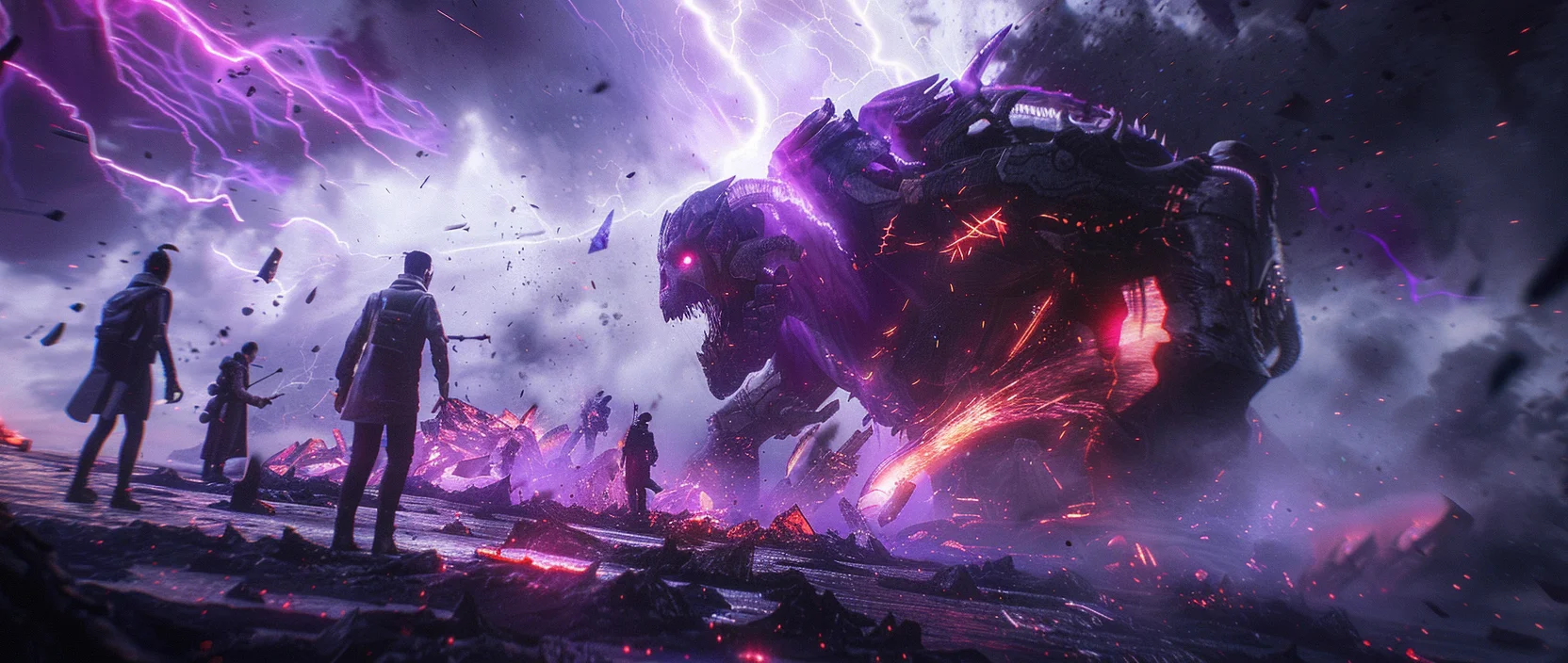
AsterDEX is the core economic engine of the project. The platform allows free NFT trading, forming transparent market valuation. The marketplace operates without intermediaries — prices are determined by supply and demand rather than developer-controlled pricing.
Additionally, AsterDEX functions as an analytical tool. Players can monitor price trends, scarcity, and asset desirability, enabling informed strategic decisions related to gameplay, investment, and long-term planning. Thus, the game economy becomes an extension of gameplay rather than a separate system.
Open analytics encourage players to develop distinct market strategies and player identities, such as traders, investors, or collectors. This diversity strengthens the economic ecosystem and reduces volatility over time.
5. Community, Support, and Future Development
The community is a key pillar of Aster. Developers maintain open communication channels through AMAs, social platforms, and recurring in-game events. This helps refine balance, add new features, and ensure updates reflect player needs.
Future plans include expanding the game world, introducing new character types, hosting seasonal tournaments, and implementing guild systems. This ongoing development increases long-term engagement and attracts diverse player types.
Strengthening alliance and cooperative systems can elevate social play, fostering shared identity and group strategies. Over time, this reinforces player loyalty and turns the community into the driving force behind ecosystem growth.
6. Conclusion
Aster combines strategic character progression, true ownership of NFT assets, and a decentralized in-game economy. Through the AsterDEX platform, players gain the ability not only to participate in the gameplay, but also to influence the economic structure of the project. A strong community focus, well-designed progression systems, and a flexible exchange environment create solid conditions for long-term growth. If the current development trajectory continues, Aster has the potential to become one of the key next-generation Web3 games.
It is important to note that the success of the project will largely depend on consistent updates and the expansion of gameplay possibilities. If the developers continue to maintain transparency and support player involvement in the decision-making process, this will strengthen trust in the project and its stability within the market. In the long-term perspective, Aster may grow beyond a traditional game and evolve into a full-scale digital ecosystem where both gameplay and economic value are shaped collaboratively by its participants.