Dark Throne: The Queen Rises is a dark action RPG in the hack-and-slash genre, combining classic gameplay structure with built-in Web3 mechanics. Developed by Epic League, the game offers not only fast-paced combat and atmospheric environments, but also the ability to own digital assets, participate in an in-game economy, and interact with a large interconnected ecosystem. The project aims to unite traditional gaming with the advantages of blockchain technology, creating a unique environment where story progression, character development, and economic activity evolve simultaneously. In this article, we will explore the narrative, combat system, NFT mechanics, Web3 infrastructure, and the long-term prospects of Dark Throne.
Contents
- World and Concept of Dark Throne
- Gameplay, Classes, and Combat Mechanics
- Internal Economy, Tokens, and NFT System
- Epic League Ecosystem and Web3 Integration
- Advantages, Risks, and Prospects of Dark Throne
- Conclusion
1. World and Concept of Dark Throne
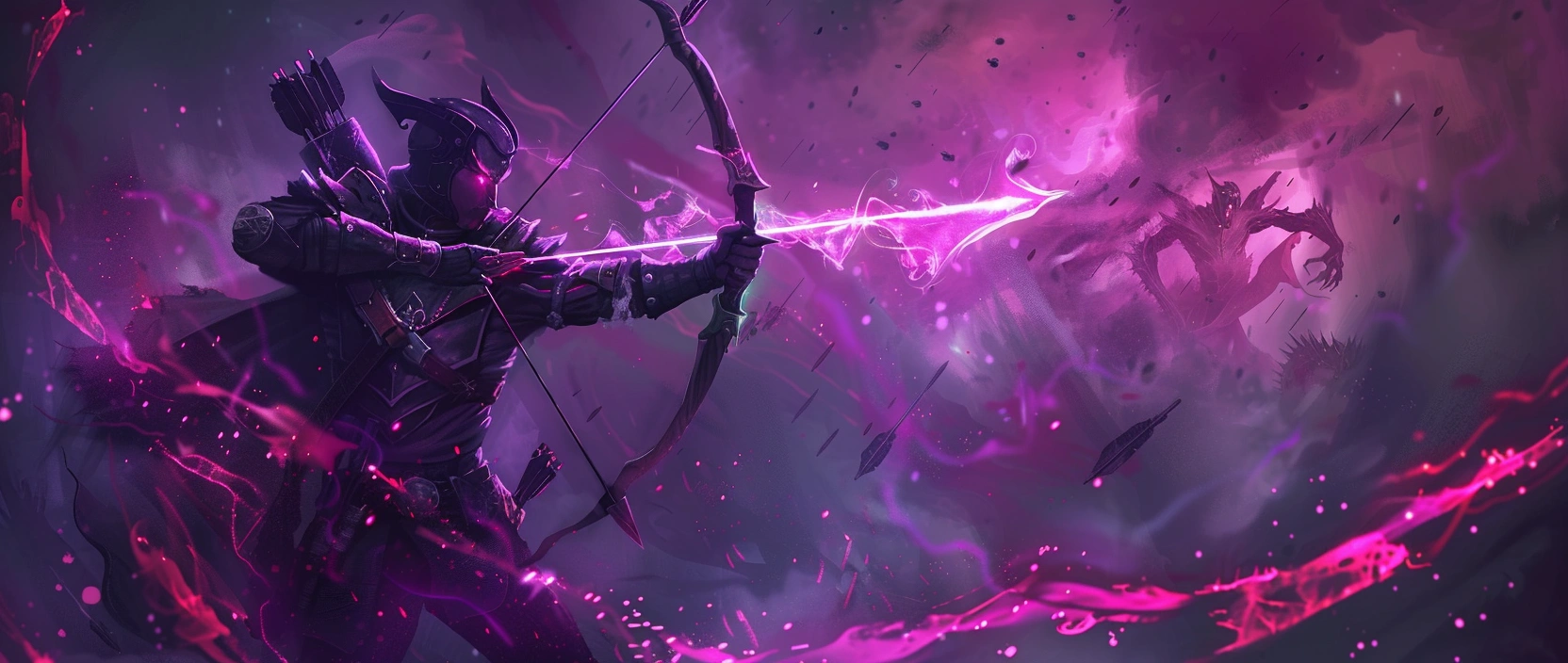
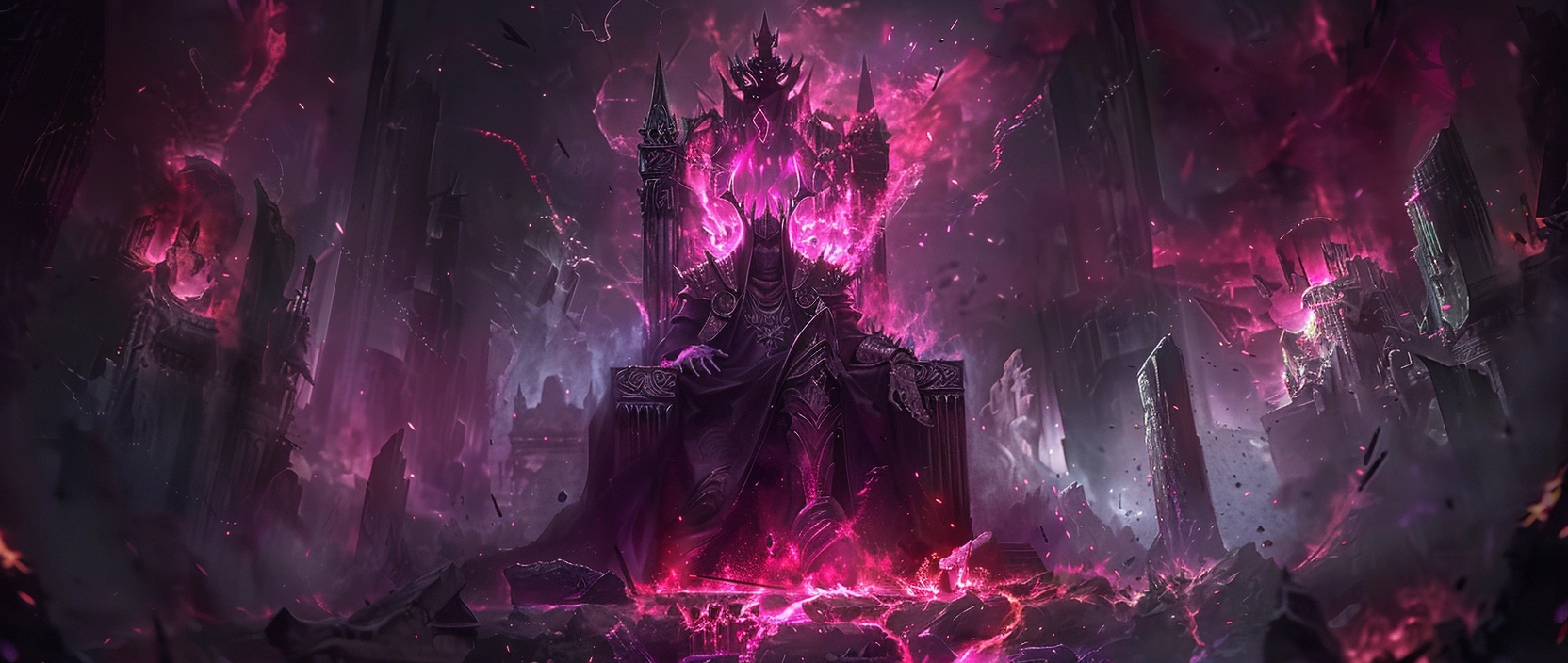
The story of Dark Throne unfolds in the war-ravaged kingdom of Balos, where a demonic army has breached the barrier between realms following the awakening of a dark entity — the Queen of Shadows. Players take on the role of one of the few surviving heroes who descends into the dungeons of Astroe to confront the Queen and stop the advancing hordes. The world embraces a grim dark-fantasy aesthetic, where every location reflects the aftermath of catastrophe: abandoned towns, cursed forests, and citadels soaked in magical corruption.
The atmosphere is enhanced by cinematic visual effects, a haunting soundtrack, and dramatic environmental design. Throughout the journey, players uncover fragments of lore — journals, mage records, and relics of a bygone age. These elements reveal the Queen of Shadows as more than a faceless antagonist, presenting her as a tragic figure whose decisions shaped the downfall of the realm.
The core concept of Dark Throne is the fusion of a traditional RPG narrative with Web3-based asset ownership. Players not only engage with the story but also influence the ecosystem through digital items that hold value inside and outside the game. This hybrid model creates a deeply engaging experience that distinguishes Dark Throne from many other projects in the Web3 space.
2. Gameplay, Classes, and Combat Mechanics
The foundation of Dark Throne is dynamic hack-and-slash combat focused on rapid combos, dodging, and clearing waves of enemies. Each session delivers intense encounters requiring awareness of positioning, skill cooldowns, and enemy patterns. Players begin by choosing one of several classes, each with its own playstyle, weapon specializations, and progression paths.
Key gameplay features:
- Three distinct classes — Paladin (tank and protector), Assassin (high-mobility killer), Demon Hunter (ranged DPS).
- Procedurally generated dungeons — offering new enemy sets and challenges every run.
- PvE and PvP systems — rankings, arenas, trials, and seasonal competitions.
- Deep character development — equipment, skills, runes, rarity tiers.
- Epic boss fights — multi-phase enemies requiring precision and strategy.
Each class evolves differently depending on the player’s chosen strategy: the Paladin excels in survivability and control, the Assassin focuses on critical bursts and speed, while the Demon Hunter relies on traps and long-range attacks. The variety of builds encourages experimentation and replayability. Difficulty scales with progression, turning every dungeon run into an increasingly tactical challenge.
Boss encounters form a major pillar of the experience: each boss features unique phases, attack patterns, and weaknesses. Players must learn these nuances and time their abilities effectively. This approach ensures that combat remains not only fast-paced but also intellectually engaging.
3. Internal Economy, Tokens, and NFT System
Dark Throne’s economy relies on a combination of NFT characters, in-game materials, and Web3-enabled interactions. NFT Totems serve as unique hero representations or enhanced variants, offering combat bonuses, access to exclusive events, and interoperability across other titles within the Epic League ecosystem.
The earning system operates on a “play-and-earn” model: players acquire resources through dungeon runs, PvP victories, event participation, and seasonal progress. These materials can be used for upgrades, crafting, progression, or traded within the ecosystem.
Economic elements of the game:
| Element | Role | Application |
|---|---|---|
| NFT Totem | Hero avatars and variants | Combat bonuses, event access, marketplace trading |
| In-game resources | Progression materials | Upgrades, crafting, level advancement |
| Web3 tokens | Financial ecosystem layer | Trading, economic participation |
The NFT economy is intentionally designed to remain stable regardless of player volume. Instead of speculative incentives, the project focuses on sustainable engagement. Each asset holds purposeful value, encouraging long-term progression through gameplay rather than financial pressure.
4. Epic League Ecosystem and Web3 Integration
Dark Throne is part of the broader Epic League ecosystem, which links multiple games, an NFT marketplace, social tools, and a unified achievement system. This allows players to utilize their assets across several titles while maintaining the same economic environment.
The game is available on iOS, Android, Steam, and WebGL, making it accessible to a wide audience. Players can start on mobile, continue on PC, and finish a dungeon run in the browser — all progress syncs seamlessly.
Web3 integration is implemented with a balanced approach: players unfamiliar with blockchain do not feel overwhelmed. Asset ownership, wallet login, and NFT participation are intuitive and unobtrusive.
In the future, Epic League plans to introduce cross-game mechanics, expanded guild systems, and ecosystem-wide progression — paving the way for a shared action-RPG metaverse.
5. Advantages, Risks, and Prospects of Dark Throne
Dark Throne stands out thanks to its polished combat system, deep RPG elements, striking dark-fantasy visuals, and thoughtful integration of Web3 features. It appeals to both action-game fans and collectors of digital assets. Regular updates, new classes, and events further reinforce a dynamic experience.
However, the game faces challenges typical for Web3 projects: competition, the need to balance the economy, and maintaining steady user engagement. The development team must consistently refine content, security, and progression balance.
Even so, the project’s potential remains promising. With continued growth, improved NFT-based systems, and deeper integration with other Epic League titles, Dark Throne may establish itself as a long-term force within the Web3 gaming landscape.
6. Conclusion
Dark Throne: The Queen Rises is a modern action RPG that successfully merges high-intensity gameplay with elements of digital ownership. It demonstrates how Web3 can enhance, rather than disrupt, the core gaming experience. Thanks to its dark-fantasy identity, cross-platform availability, and Epic League’s backing, the project holds considerable long-term potential.
Continued development of mechanics and asset systems will help the game secure a stable position among leading Web3 titles. Strengthening community involvement and expanding cross-game capabilities could further elevate Dark Throne within the growing blockchain gaming market. With the right strategy, it may become a benchmark Web3 action title in the dark-fantasy genre.