

Lussa: The Final Frontier is a fast-paced next-generation multiplayer shooter that combines a high-tech combat system, adaptive AI companions, advanced Unreal Engine 5 graphics, and Web3-based digital asset ownership. Players find themselves in a bleak future where Earth is engulfed in chaos, and humanity struggles to survive by exploring deep space and fighting for resources, territories, and control over new worlds. The project aims to merge traditional AAA gameplay with modern digital ownership mechanics, forming an interconnected ecosystem in which gameplay, economy, and the metaverse are tightly linked. In this article, we will explore the core aspects of Lussa, examine its technological structure, gameplay systems, economy, and evaluate its long-term potential.
Contents
- Concept of Lussa and World Structure
- Technical Architecture and Technological Solutions
- Gameplay Features and Internal Structure
- Economy, Tokenomics, and Digital Assets of Lussa
- Prospects, Risks, and Project Significance
- Conclusion
1. Concept of Lussa and World Structure
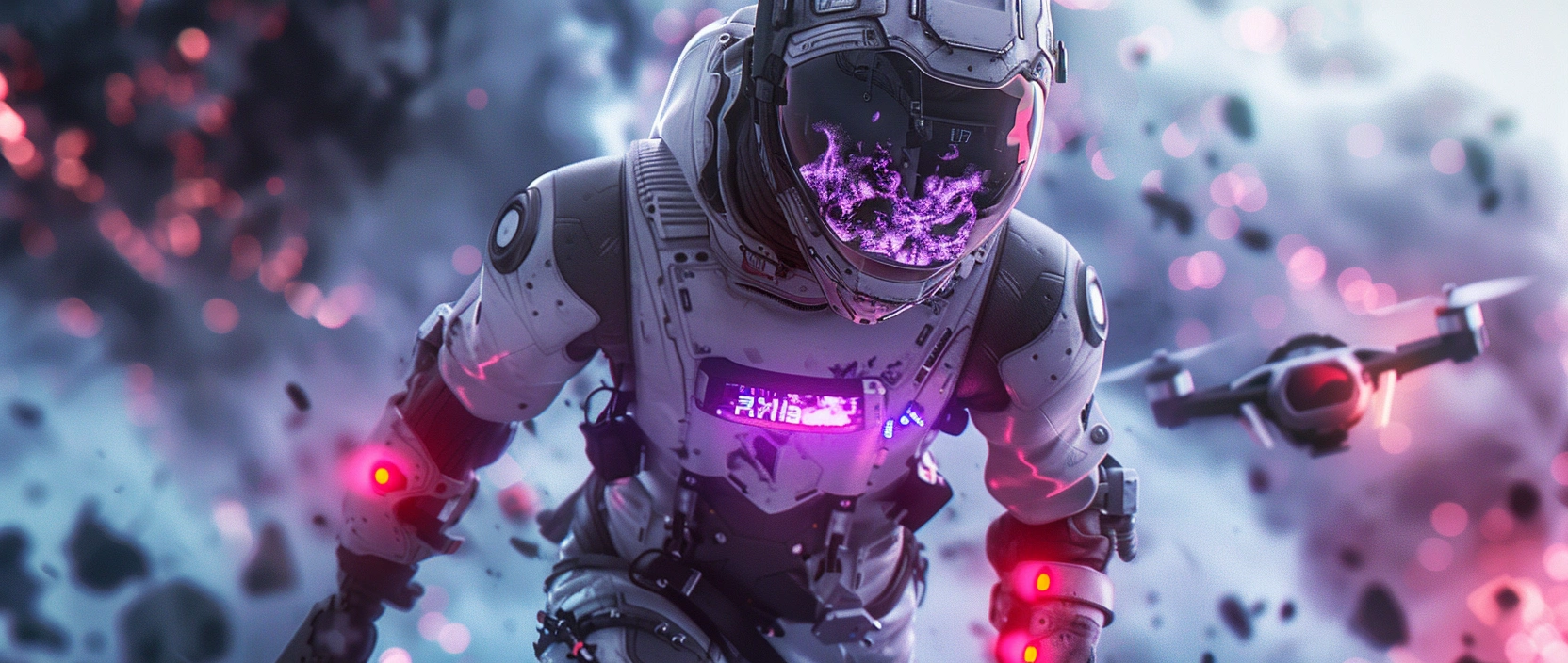
Lussa: The Final Frontier unfolds in a dystopian future where Earth undergoes ecological collapse and loses governmental stability. The remaining human factions are forced to seek salvation among the stars, colonizing new worlds and engaging in escalating conflicts over resources and territorial dominance. The world of Lussa consists of multilayered environments: ruined megacities, exclusion zones, orbital stations, space platforms, and alien biomes. These locations not only provide visual diversity but also influence tactical decisions, as verticality, environmental hazards, and cover placement play crucial strategic roles.
The developers focus not only on fast-paced action but also on creating a large-scale universe governed by its own rules and evolving political landscape. Players become part of a larger struggle for survival, choosing factions and gradually integrating into the overarching storyline. The world of Lussa evolves over time—new lore fragments, narrative events, and gameplay systems appear based on dynamic changes within the universe. This structure creates the feeling of a living environment that responds to community activity.
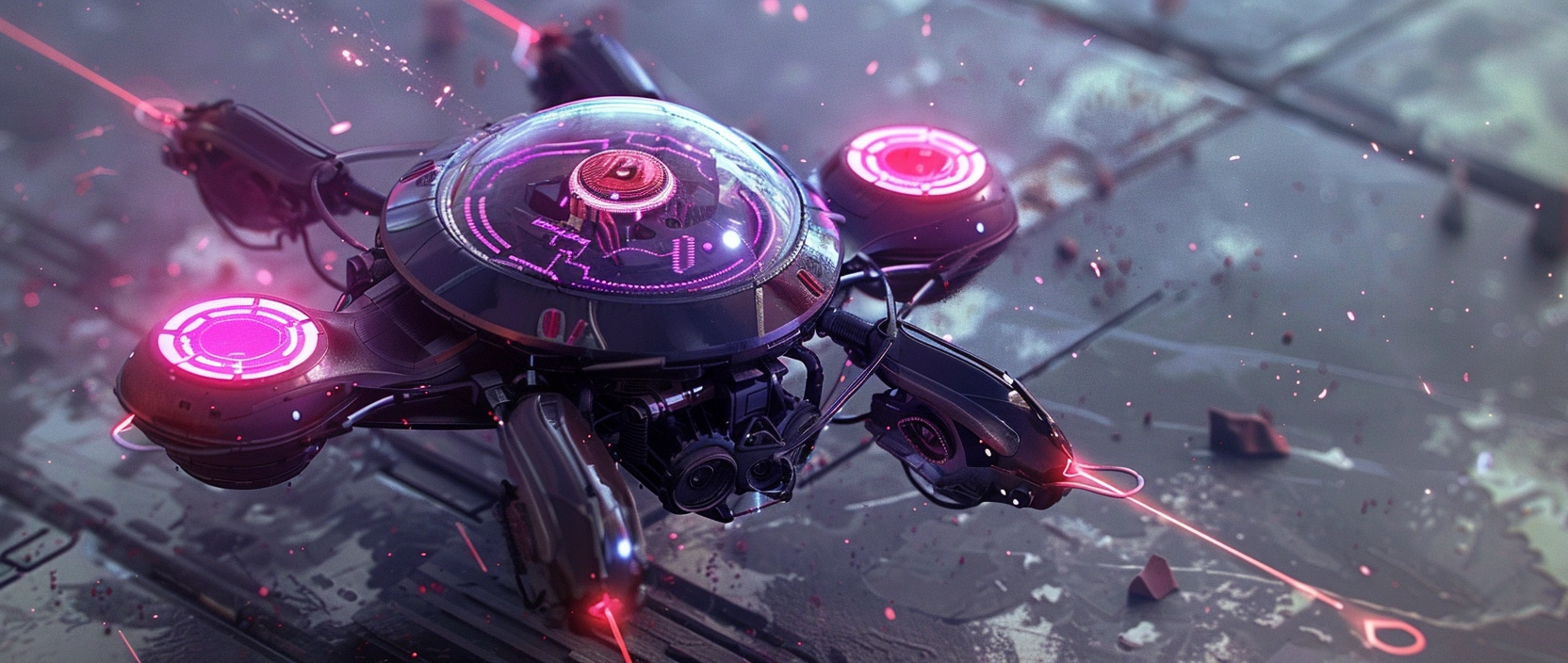
A key conceptual element is the presence of AI companions (PETs)—small combat or utility devices that assist players in battle and exploration. These companions adapt to a player's style, enhancing tactical depth. PETs allow users to create personalized setups that significantly affect combat outcomes. Developers are also expanding interactive environmental features, making each zone distinct. As a result, Lussa forms a rich universe where narrative and mechanics work together.
2. Technical Architecture and Technological Solutions
The technical foundation of Lussa relies on Unreal Engine 5—one of the most advanced engines available, enabling realistic visuals, dynamic lighting, destructible environments, and large-scale map rendering without performance degradation. This allows the shooter to deliver a cinematic experience while preserving the fast combat pace typical of competitive games. The development team uses the engine’s powerful tools to create expansive arenas, vertical combat spaces, and dynamic weather systems that directly influence gameplay.
The project’s architecture consists of three main components: the client side (interface, visualization, controls), the server infrastructure (matchmaking, combat data processing, stability), and the Web3 layer (asset management and smart contracts). This structure ensures scalability and enables developers to introduce new features without rebuilding the core system. The goal is to maintain a stable online environment even under high player load.
Special attention is given to future cross-platform capabilities and a user-generated content (UGC) system. Players will be able to create their own maps, objects, and environmental elements that integrate into the shared world. This modularity increases the project’s longevity and allows the community to participate in shaping its content. Developers are also exploring multichain support to expand marketplace accessibility. Together, these features transform Lussa into a flexible, technologically advanced platform prepared for long-term growth.
3. Gameplay Features and Internal Structure
The gameplay of Lussa revolves around fast gunfights, tactical movement across vertical zones, and a well-developed class system. Each class brings unique strengths—mobility, enhanced damage output, support abilities, or defensive skills—allowing players to form diverse strategies and team combinations.
Key gameplay features include:
- Class-based system: each character has distinct skills and playstyles.
- AI companions: PET units support players in combat, deepening tactical variety.
- Vertical combat: multi-level arenas create dynamic firefights.
- Team coordination: cooperation often determines victory.
- Seasonal updates: new content is introduced on a regular basis.
Classes can equip different weapons, drones, turrets, defensive modules, and engineering tools. This hybrid loadout system lets players customize their approach: some prefer close-quarters combat, others emphasize long-range engagements or team support. The variety of roles makes each team composition unique and each match unpredictable. Vertical structures increase tactical complexity and create additional opportunities for ambushing or repositioning. With the PET companion system, players can design personalized tactical synergies that enrich the overall combat experience.
4. Economy, Tokenomics, and Digital Assets of Lussa
The economy of Lussa is built on a hybrid model: in-game currency, loyalty mechanics, and NFT-based digital assets. Players can own weapons, armor, characters, map items, and unique PET companions. These assets carry real market value and are traded on the official marketplace. The ability to combine and upgrade items creates an engaging and multi-layered economic loop.
| Economic Element | Description | Role in the Ecosystem |
|---|---|---|
| LUSSA Token | Main in-game token | Purchases, upgrades, gameplay transactions |
| LussaX | Loyalty and rewards system | Bonuses for early and active participants |
| NFT items | Weapons, armor, PET companions | Gameplay advantages and digital ownership |
| Land plots | Customizable and ownable territories | Social zones and economic functions |
The tokenomics structure maintains equilibrium between gameplay and economic value. Players can participate in auctions, trade items, and earn rewards for activity. NFT assets function not only as collectibles but also as tools for character progression. This creates a natural demand cycle and reduces inflation risks. Additional reward systems encourage participation in events, seasonal updates, and long-term engagement.
5. Prospects, Risks, and Project Significance
Lussa possesses strong potential due to its combination of high-quality gameplay and integrated Web3 mechanics. It is among the few blockchain-driven shooters striving to deliver a true AAA experience while avoiding primitive game loops and low-quality design. If the developers manage to balance traditional gaming expectations with Web3 features, Lussa could become a major representative of a new generation of shooters on the global stage.
However, the project faces risks: intense competition, the need for constant updates, server load challenges, and regulatory restrictions surrounding crypto assets. Any deviation from the roadmap or delays in updates may reduce community engagement. Additionally, the Web3 market remains highly volatile, which puts pressure on the economic model. Developers must maintain transparency and ensure a robust technical foundation to retain user trust.
Still, Lussa shows clear ambition and direction. If the team succeeds in expanding UGC tools, adding new classes, territories, PET companions, and social zones, the game could evolve into a full-scale metaverse where value is created by the players themselves. Active community involvement through events and early-access programs strengthens the project’s ecosystem. Ultimately, Lussa may become a prominent example of how modern technologies can reshape the shooter genre.
6. Conclusion
Lussa: The Final Frontier is not just a shooter but a comprehensive Web3 ecosystem combining fast-paced combat, digital asset ownership, and advanced technology. The game offers a distinctive experience through vertical fights, AI companion mechanics, a powerful visual identity, and a token-based economy reinforced by NFTs. This architecture lays the groundwork for long-term development and expansion into a wider metaverse.
If the developers maintain balance between Web2 and Web3 approaches, continue expanding content, and support player engagement, Lussa may become one of the key platforms of the new GameFi era. The project demonstrates that the games of the future are not only about entertainment but also about digital ownership, social interaction, and creativity within a unified ecosystem. In the long run, Lussa could define a new niche—hybrid shooters with deep economic systems and continuous evolution.