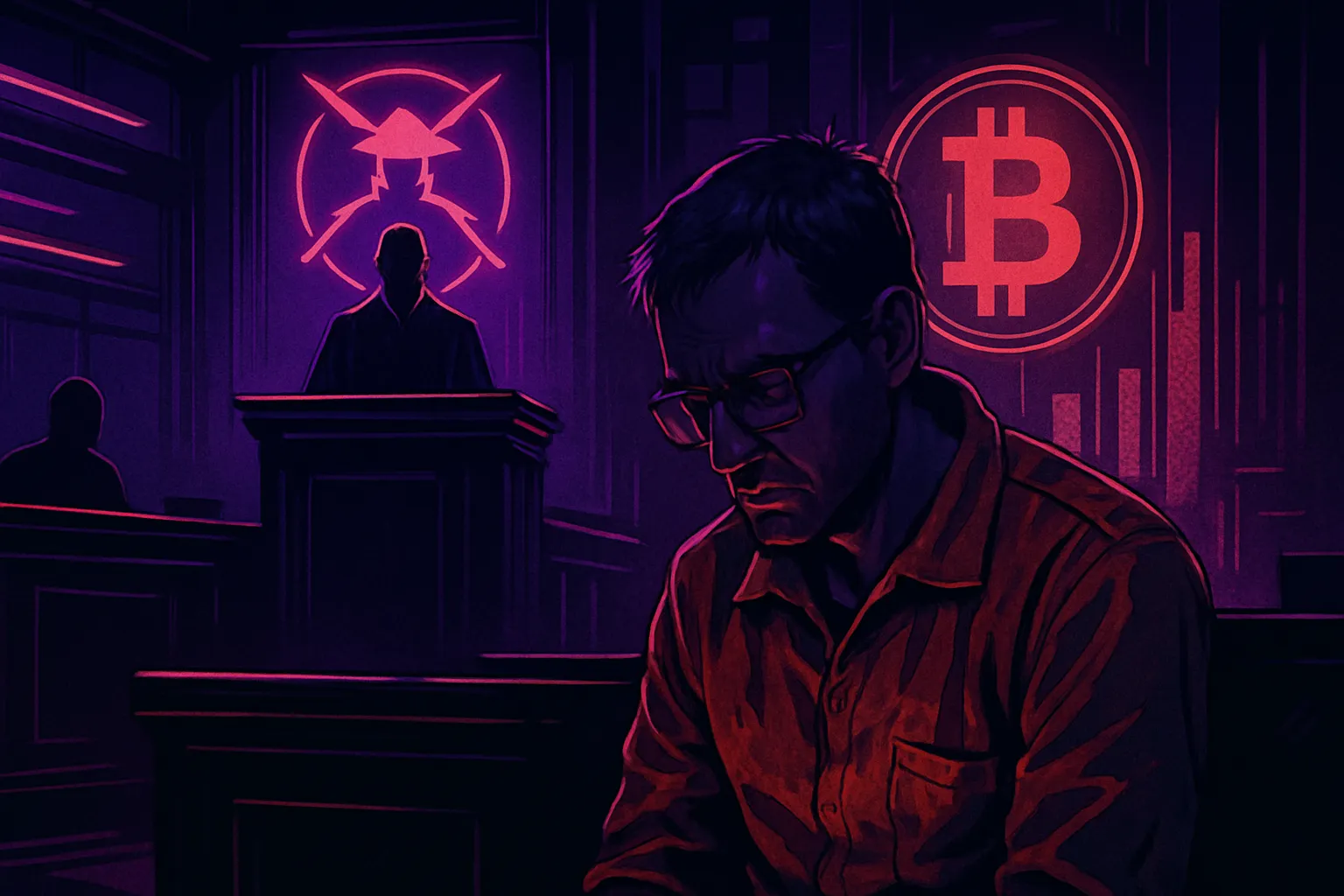

Keonne Rodriguez, the cofounder of Samourai Wallet, has been sentenced to five years in prison, marking a significant moment in the ongoing debate over privacy tools in the cryptocurrency space. According to the official information, this ruling, delivered on November 6, 2025, raises critical questions about regulatory practices and their impact on open-source development.
Conviction of Rodriguez and Its Implications
Rodriguez was convicted for conspiracy to operate an unlicensed money transmitting business, a charge that reflects the increasing scrutiny from government agencies on developers of privacy-centric technologies. Alongside his cofounder, William Lonergan Hill, Rodriguez's case has sparked widespread concern among privacy advocates, particularly regarding the Department of Justice's position on liability in the absence of custodial control.
Financial Ramifications and Community Backlash
The financial ramifications of the case are significant, with a $63 million forfeiture agreement that could severely affect Rodriguez's personal finances and investor confidence in privacy-focused blockchain solutions. This situation has led to a backlash within the crypto community, with many fearing that such regulatory actions could stifle innovation in the privacy technology sector.
Comparisons to Tornado Cash Incident
Comparisons have been drawn to the Tornado Cash incident, highlighting a growing apprehension about regulatory overreach. As the community grapples with these developments, the potential chilling effect on the advancement of privacy technologies remains a pressing concern.
In a recent development, Spanish authorities apprehended a man known as AR for orchestrating a €260 million Ponzi scheme, highlighting ongoing risks in the crypto space. This incident contrasts sharply with the recent sentencing of Keonne Rodriguez, raising further concerns about regulatory scrutiny. For more details, see read more.